West of the Moors


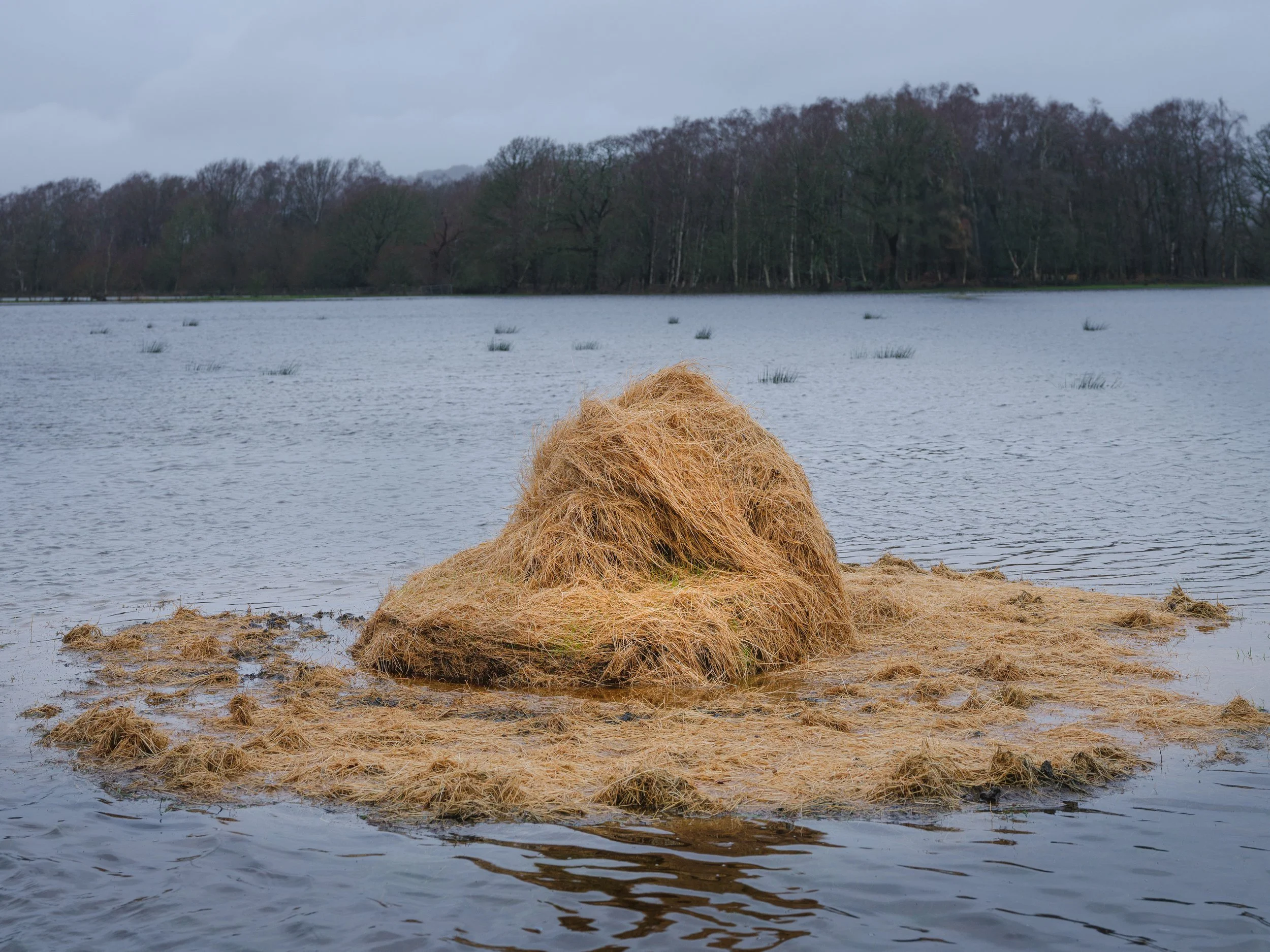

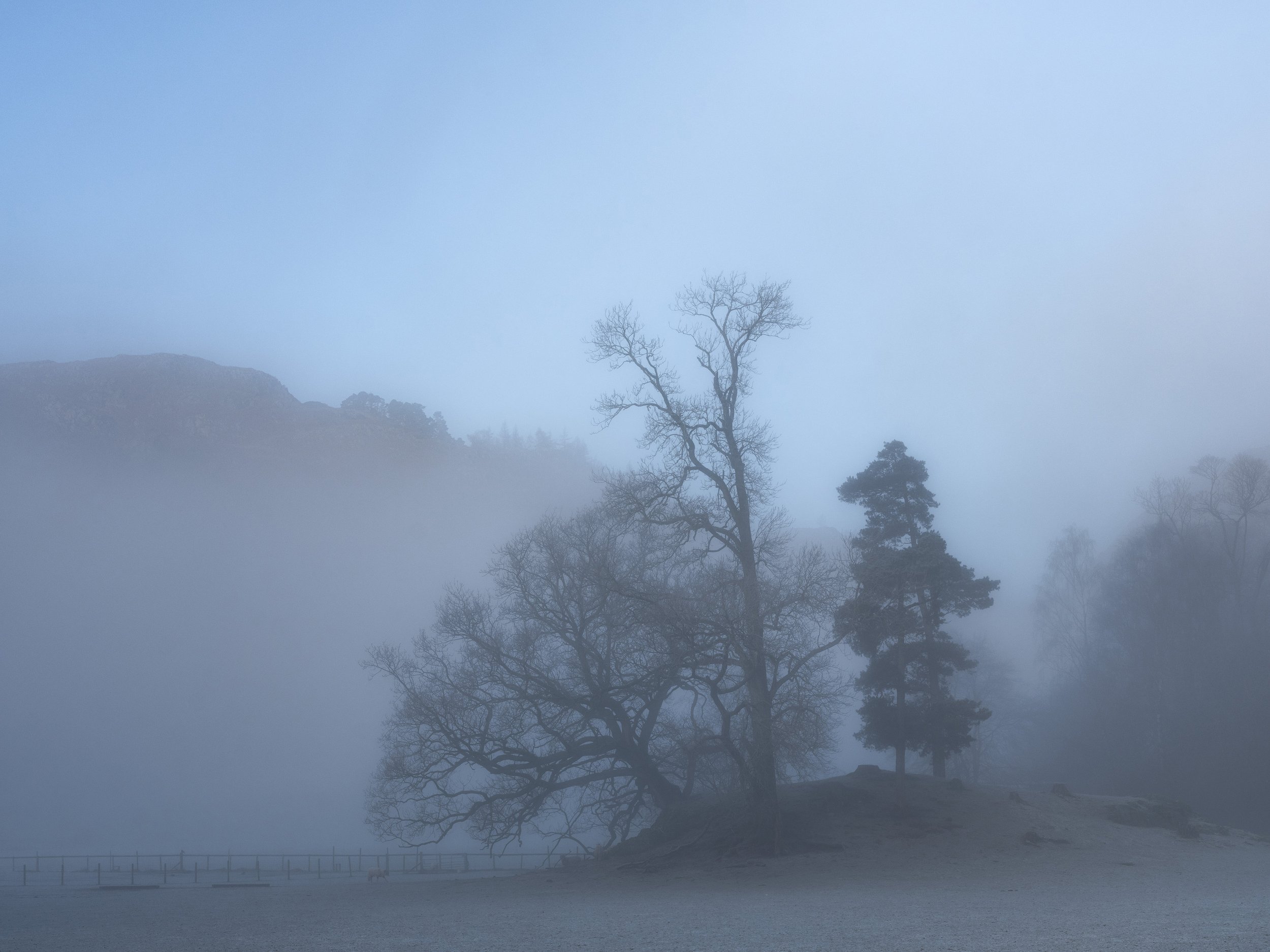

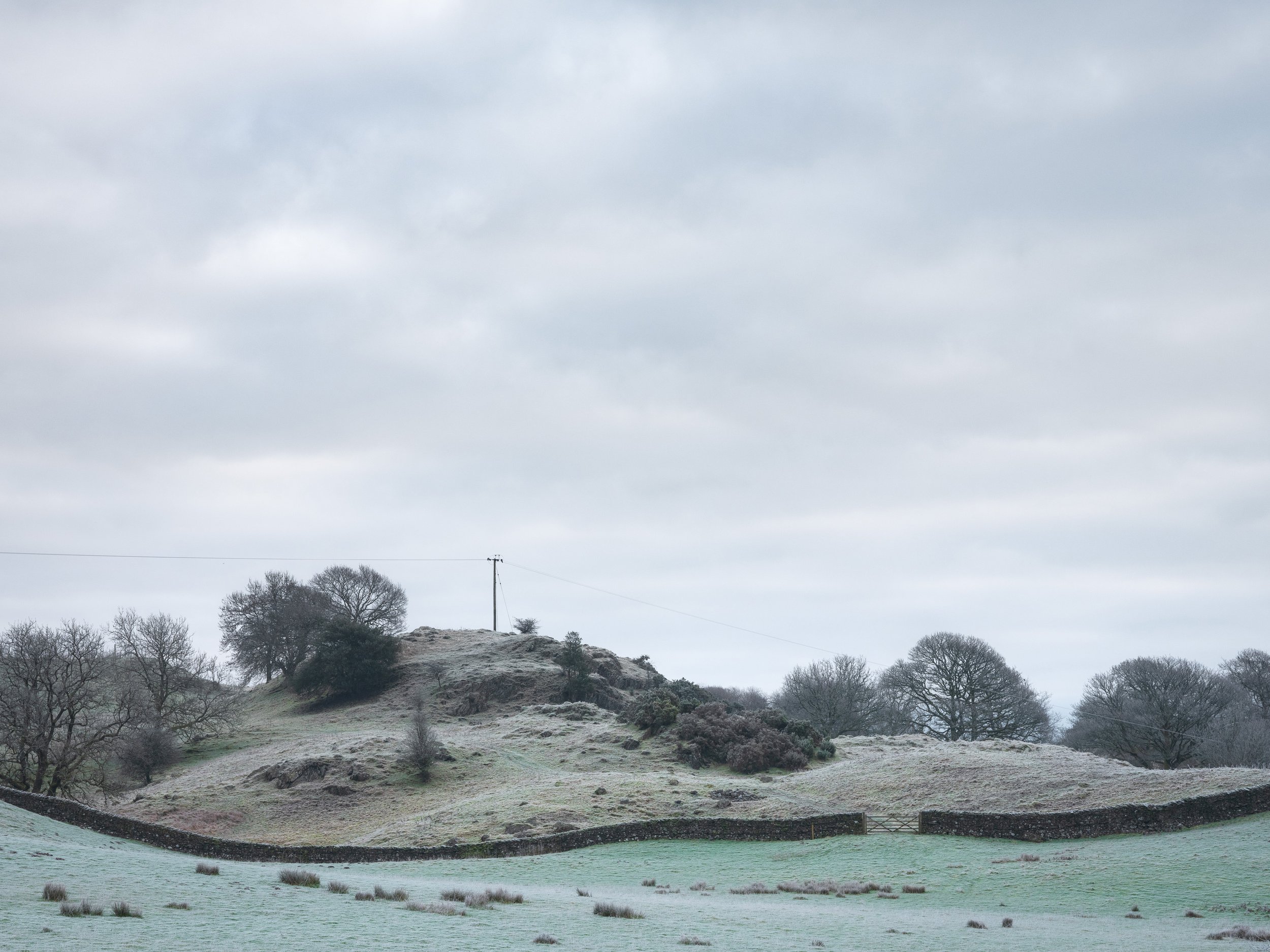


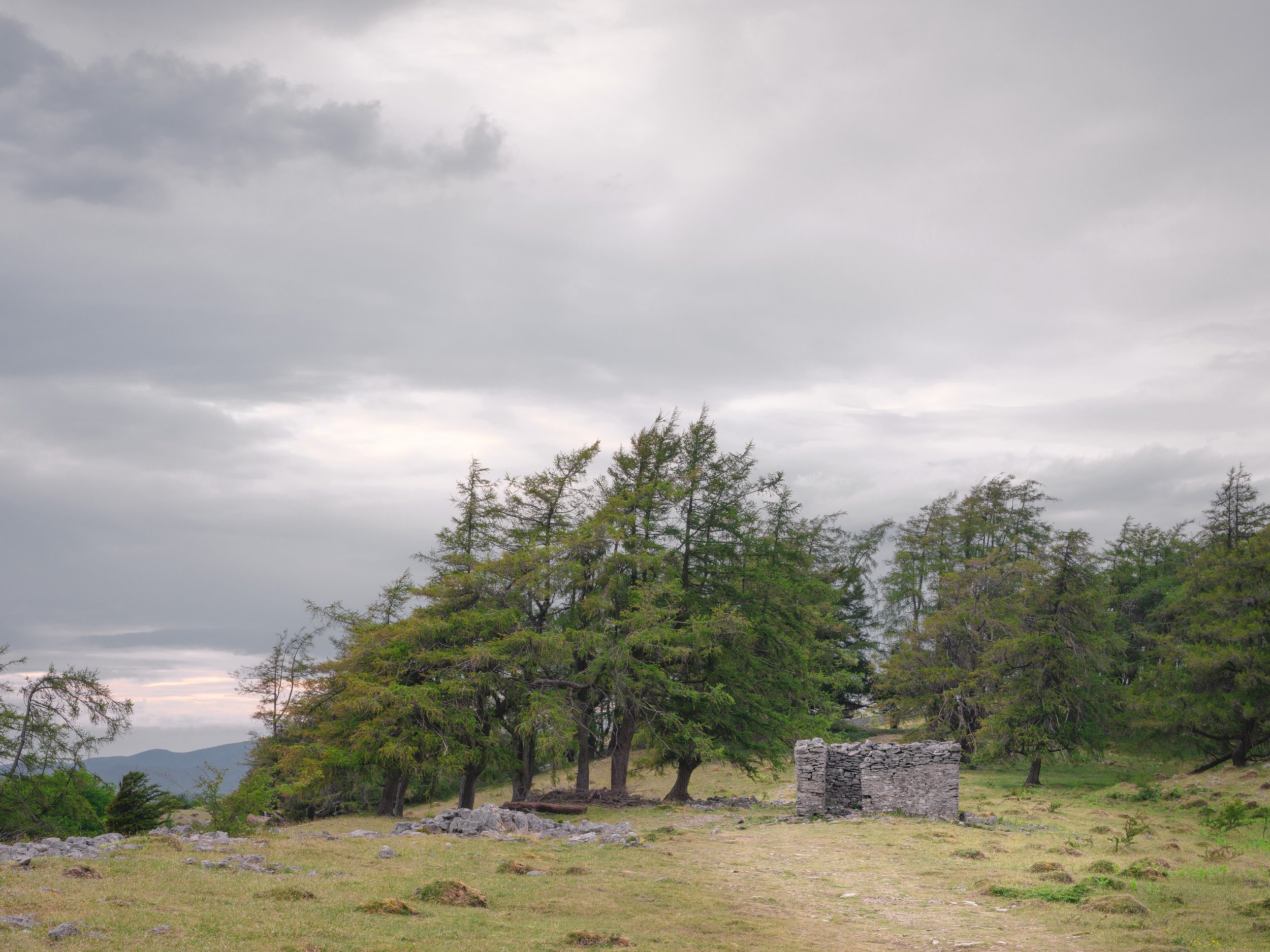




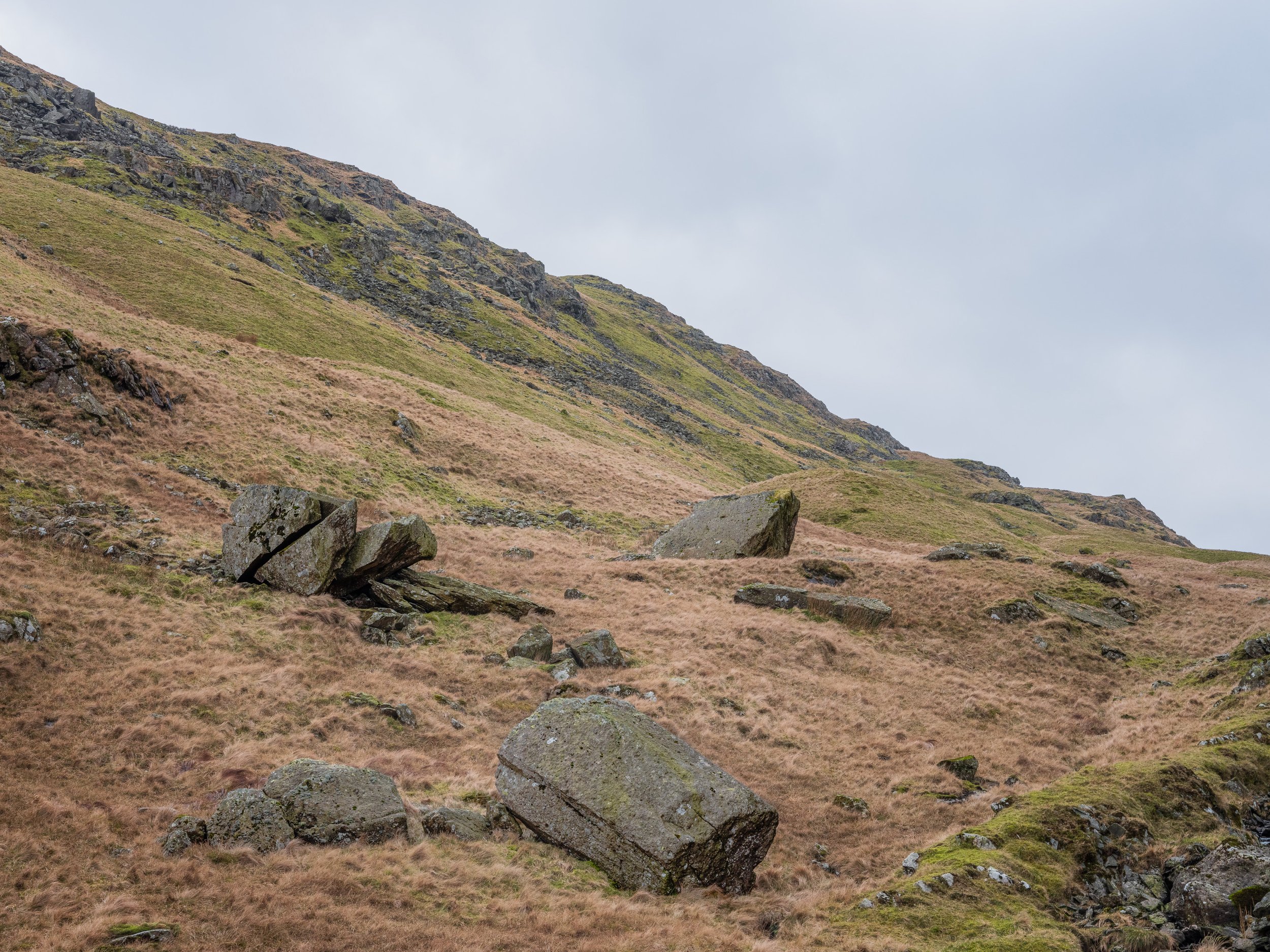
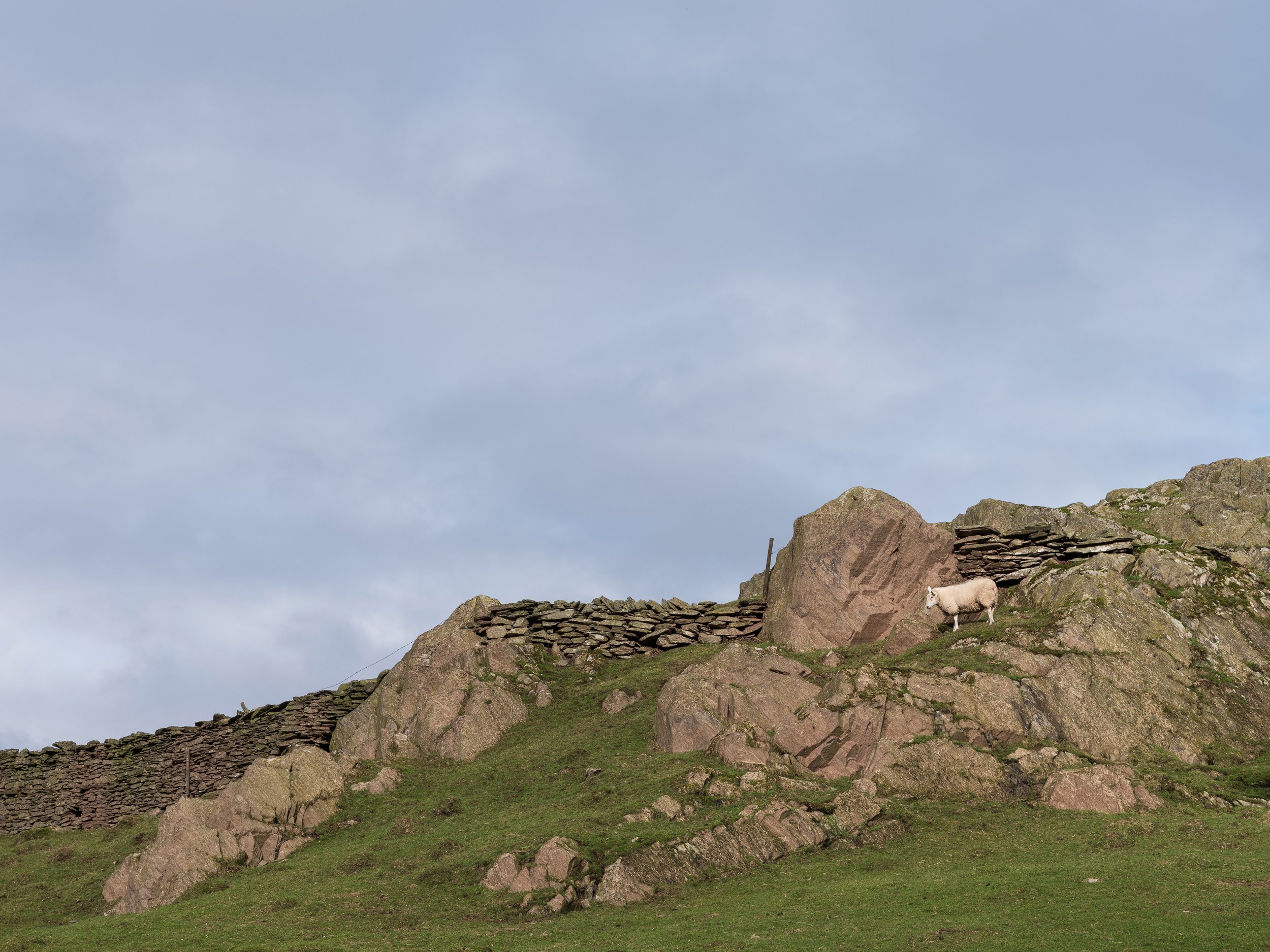




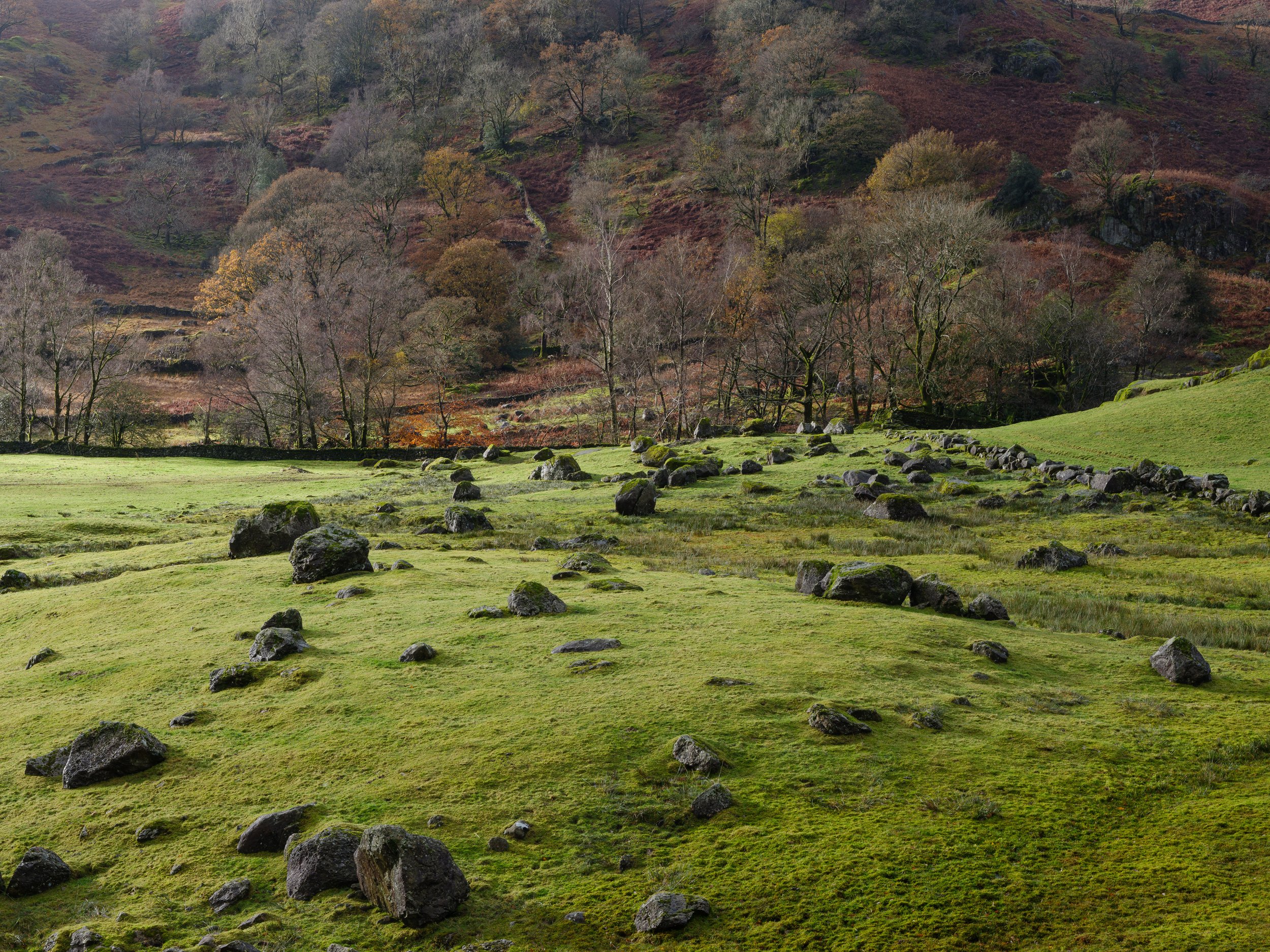


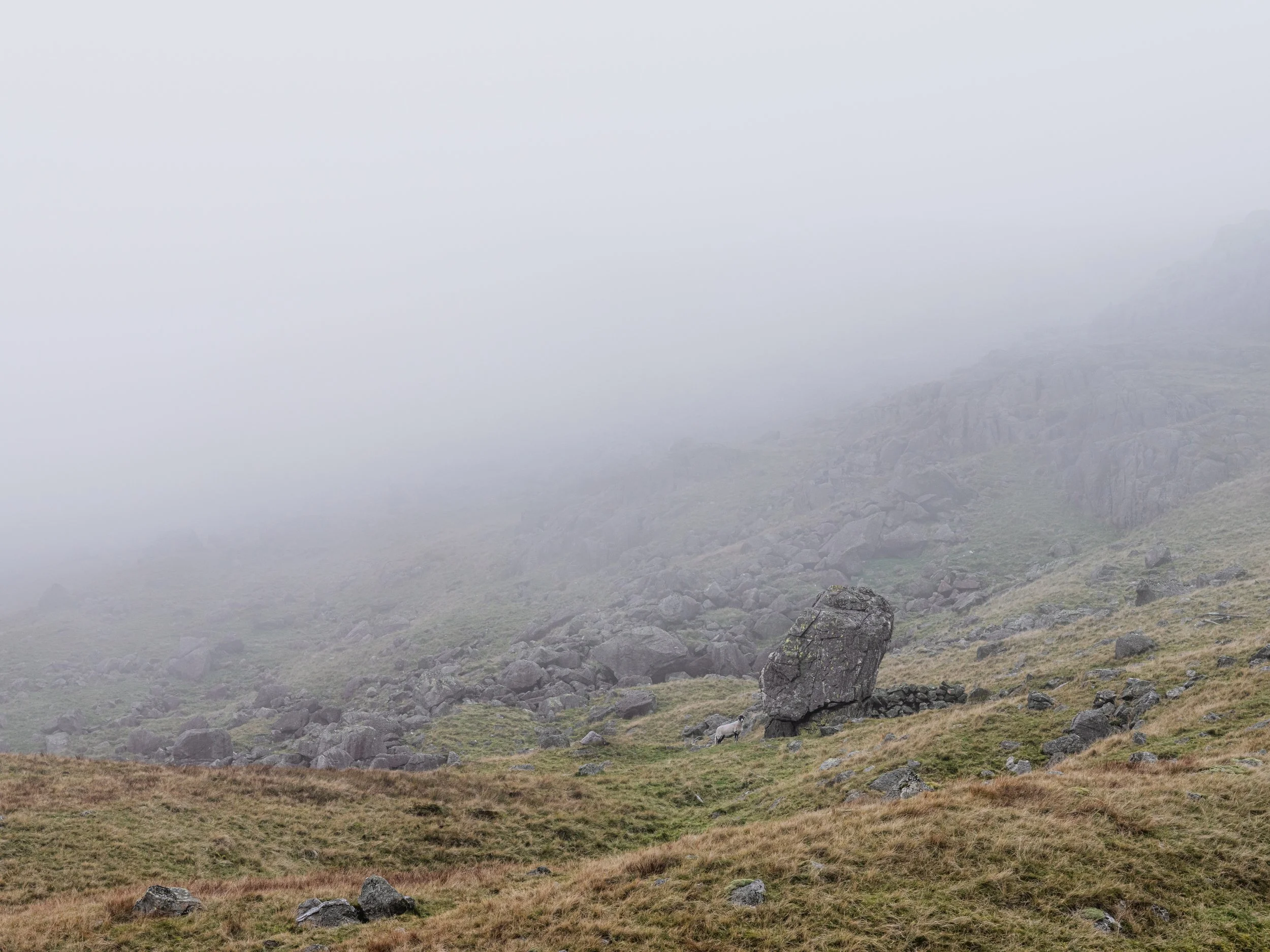
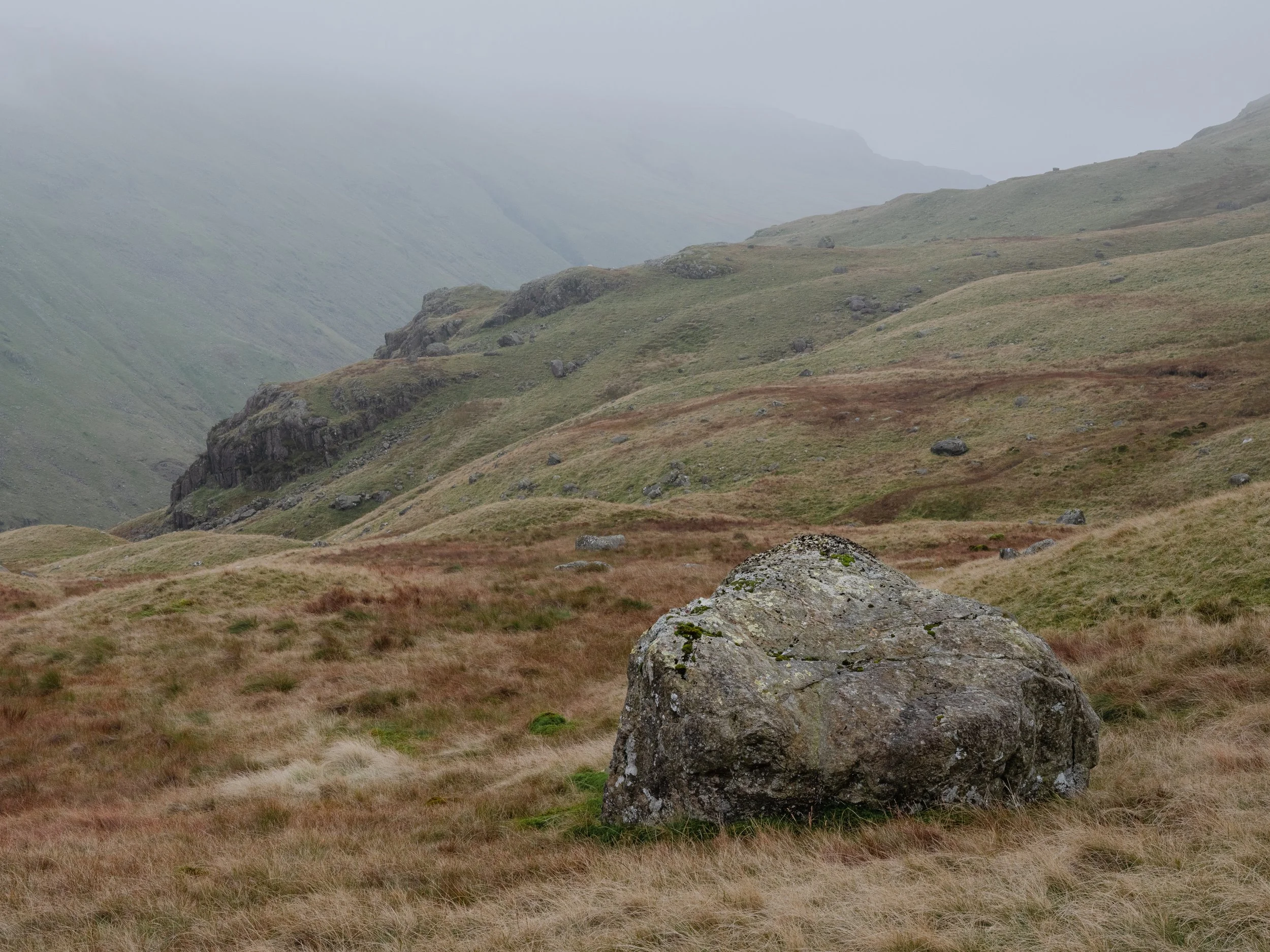


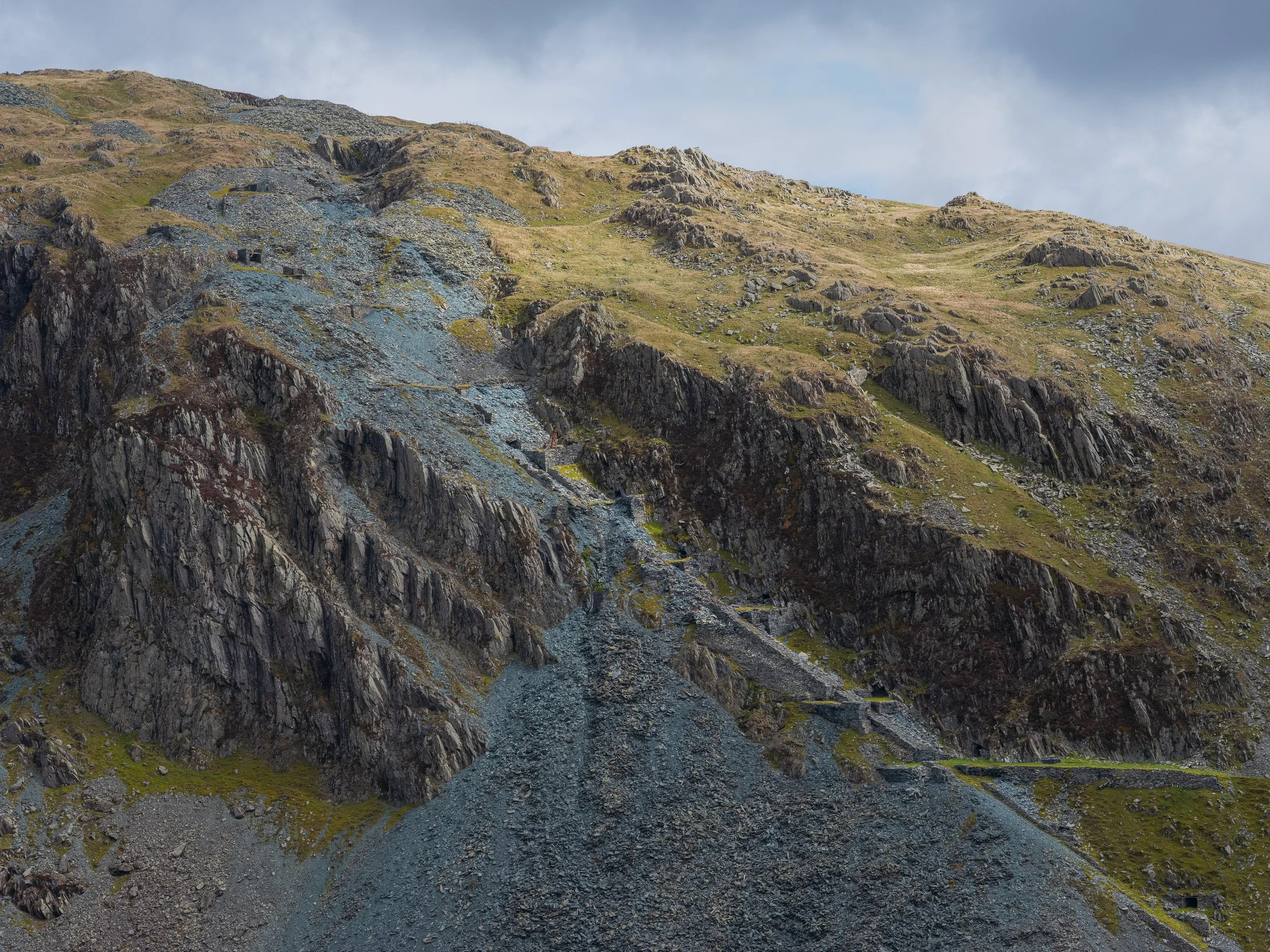
West of the moors I find clint and gryke, outcrop and pavement, scree and crag.
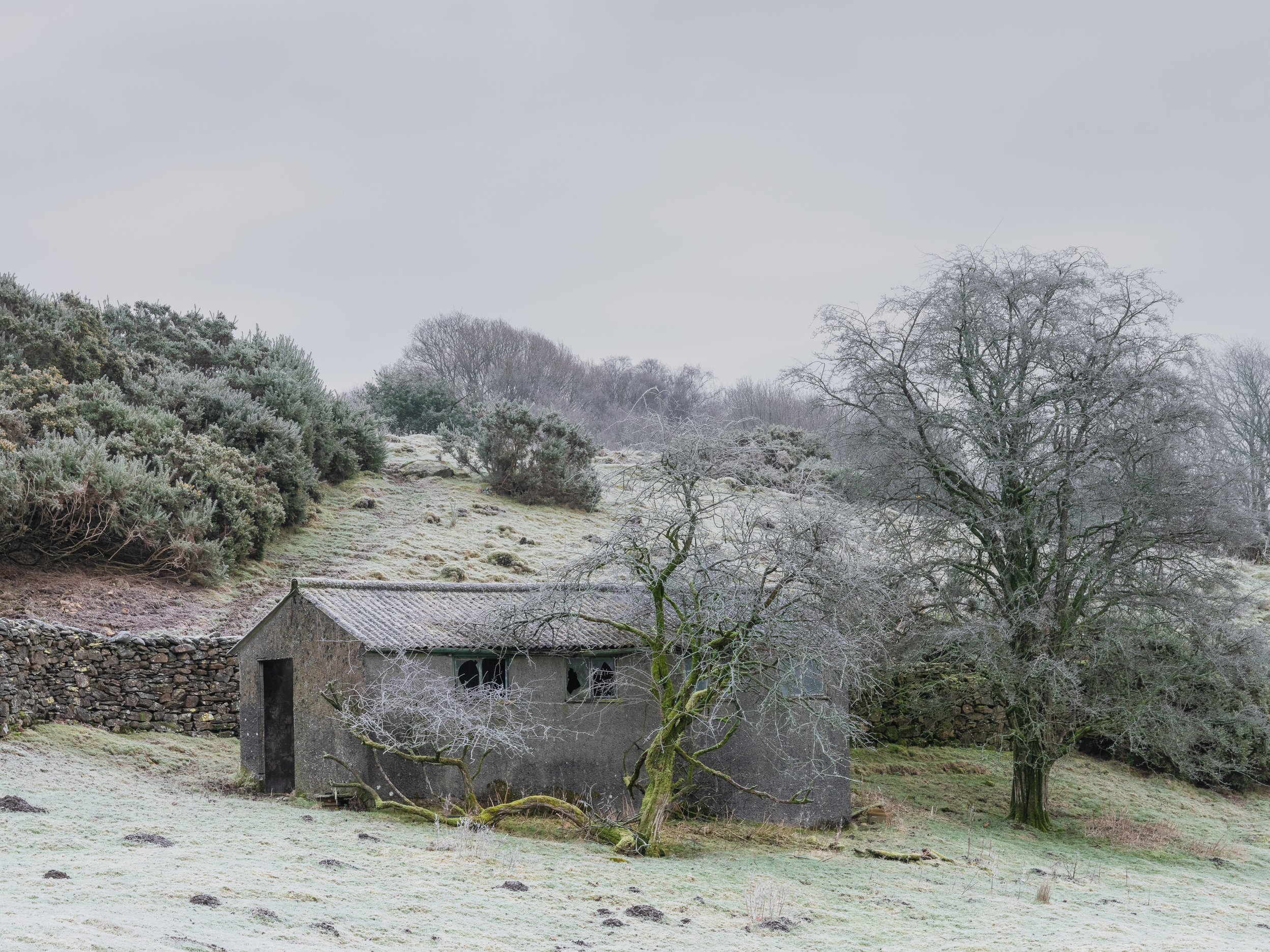
I stumble across upland shelters, hog houses, cotes and barns.
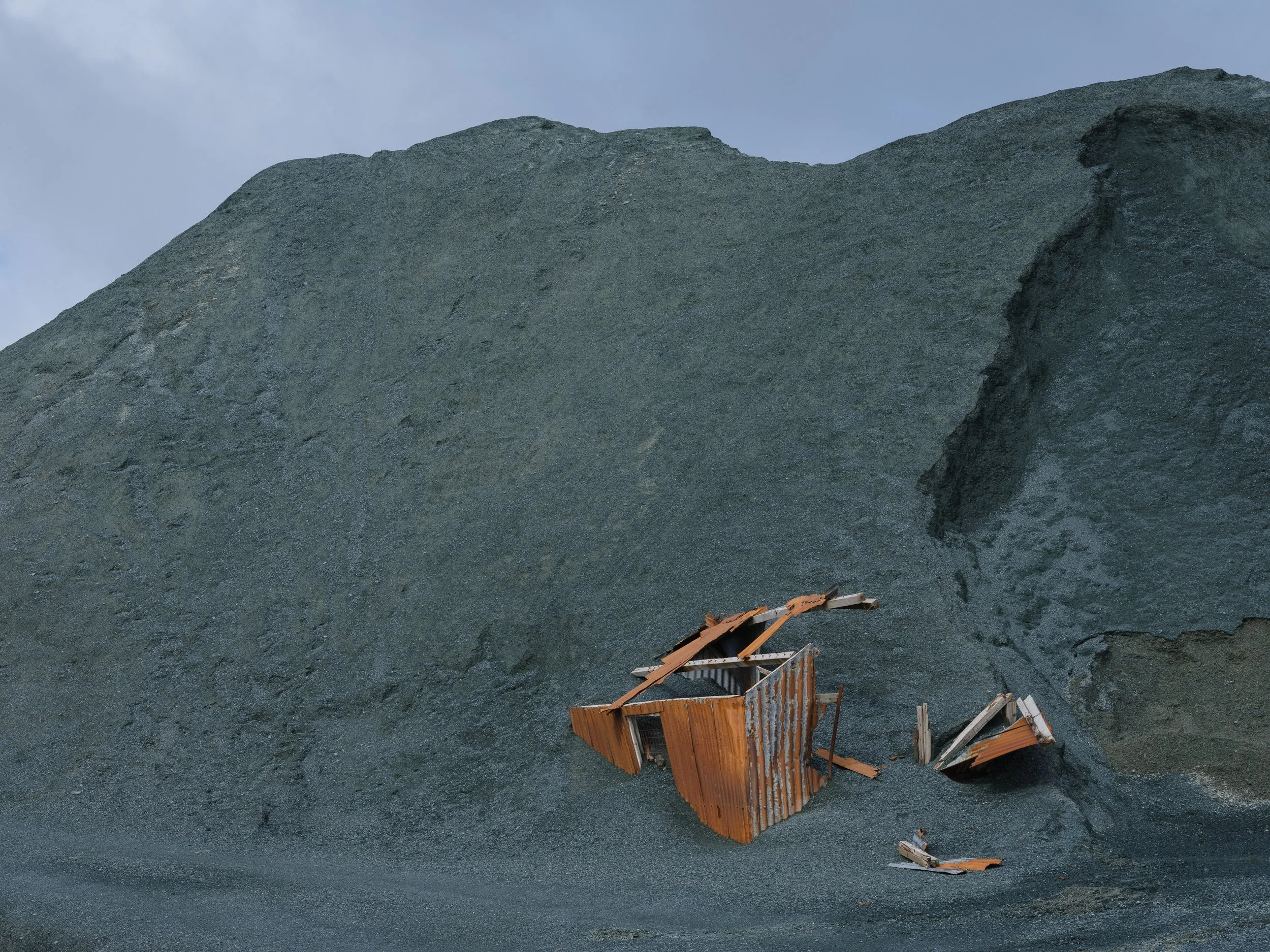
I investigate dilapidated structures defeated by weather and time.
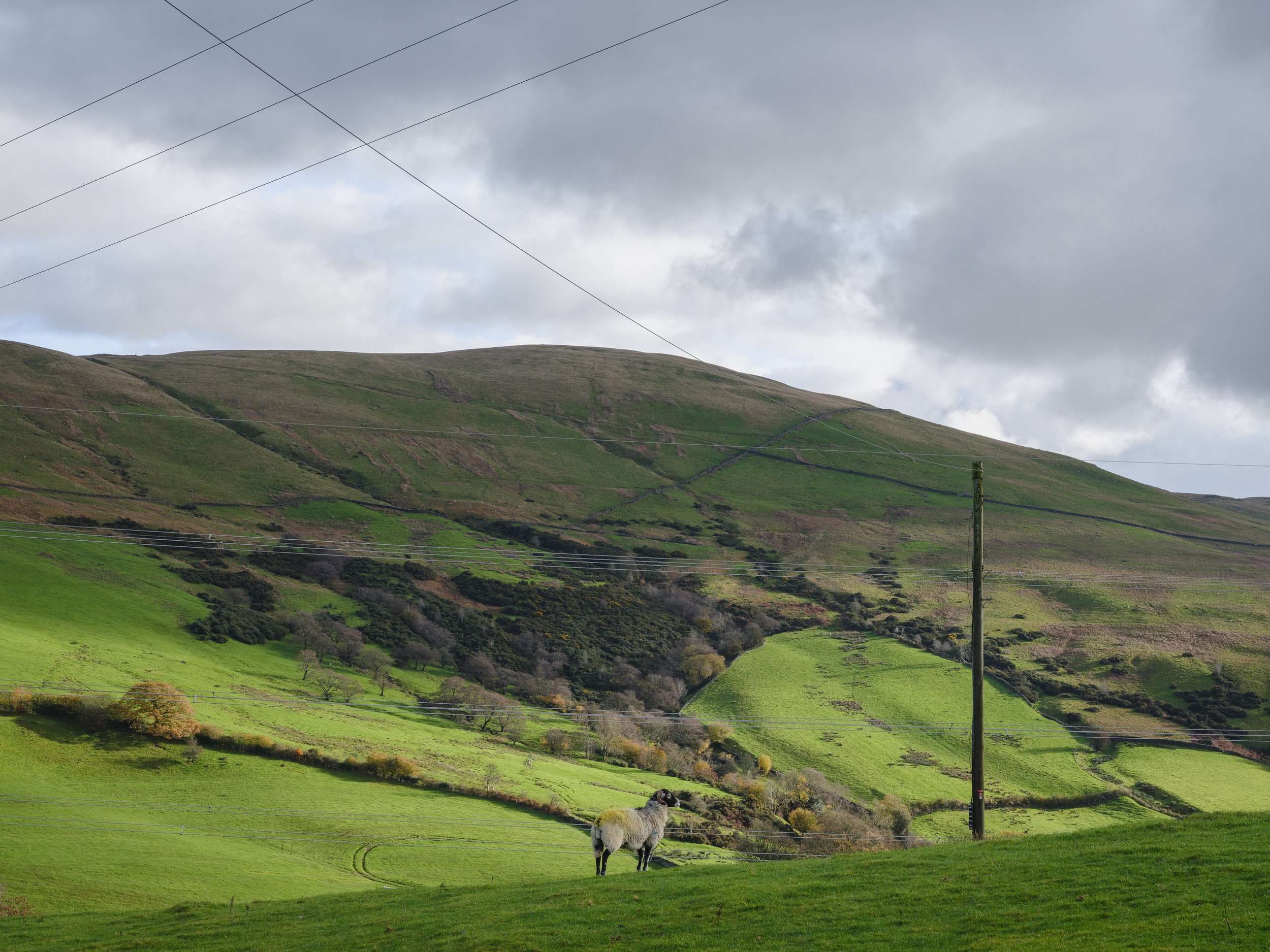
I ramble alongside ancient walls built to keep animals out as much as keep animals in.
I marvel at neolithic life as I locate earthworks, cairns and barrows, stone circles and way markers, burial mounds and standing stones.
I contemplate the Roman occupation as I travel over their high mountain passes and look down on the remnants of their forts and settlements.
The scale of human endeavour over millennia is staggering:
Ancient axe factories high in the mountains, fellside quarries of slate and deep mines of copper.
Lime kilns and smelting towers still standing odd and alone.
I look across field and vale, once wetlands of raised bog drained only by the ditches of peat cutting, now made productive by a network of drains, ditches, gates and pumps.
I navigate along centuries old droving trails and bridleways following even older hedgerows and earthworked boundaries.
I meander along paths with traces of Victorian canals and railways.
I stumble across fortified towers now redundant, derelict and unnoticed, once a defence against the Border Reivers.
I sit for a moment in a fellside church, a ‘chapel of ease’ built 500 years before, I contemplate the centuries of congregation, celebration, prayer and mourning.
These images serve as field notes of my geographical journey through this fascinating landscape that through history was commonly known as the land that lies west of the moors.